Fake news: what can be done to better protect teenagers?
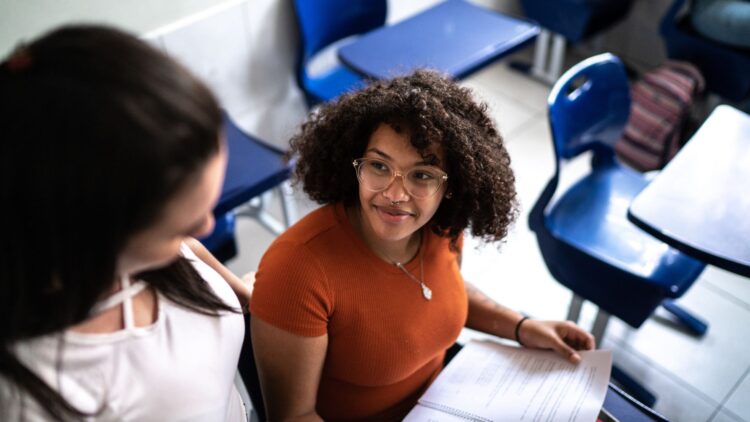
• Although it improves as they grow older, children and teenagers remain limited in their ability to spot fake news. And at a time when AI-driven disinformation and deepfakes are increasingly sophisticated, they are particularly vulnerable on social networks, which facilitate the spread of this content via communities of users with similar opinions that stifle healthy debate.
• Educational workshops in Scotland, a wide range of research projects (notably at Orange), programmes like #ForGoodConnections that inform parents and children, and recent French legislation that bans under-15s from using social media: solutions are emerging but how effective are they?
• Calling for more than just technical progress, Orange researcher Erwan Le Quentrec argues that young people need to develop a critical awareness to enable them cope with today’s digital environments.
Read the article
• Educational workshops in Scotland, a wide range of research projects (notably at Orange), programmes like #ForGoodConnections that inform parents and children, and recent French legislation that bans under-15s from using social media: solutions are emerging but how effective are they?
• Calling for more than just technical progress, Orange researcher Erwan Le Quentrec argues that young people need to develop a critical awareness to enable them cope with today’s digital environments.

Bluesky: decentralized design is the key to the micro-blogging platform’s success
Read the article
N. Saby: “A new AI winter could boost development of responsible AI”
Read the article
Datascore: a simple digital trust rating for connected environments
Read the article
Tom Chatfield: “AI could lead to a massive pollution of the world’s data and the erasure of trust.”
Read the article
Understanding the general public’s perception of online risks: beyond official definitions
Read the article