

• Orange is pursuing an ambitious ecosystem transformation by decarbonizing purchases, supported by the Partners to Net Zero Carbon (PTNZC) program launched in 2024. The goal is to reduce the emissions associated with the purchase of products and services (Scope 3) by partnering with its highest emitting providers and structuring decarbonization actions set out in concrete and measurable progress plans.
• The scope of these efforts spans the complete life cycle of products and services from the manufacturing phase to end-of-life management, with a particular focus on network energy and usage.
For ITN providers in 2025, Orange worked on Radio Access Network (RAN) products, which represent a significant proportion of the network’s Scope 3 emissions. A first progress plan was signed with Nokia, which demonstrates their proactive commitment to decarbonizing networks. Two more are in the process of being signed.
Aiming to reduce the emissions associated with product life cycles in order to contribute to the shared objectives of -45% by 2030 and Net Zero Carbon by 2040.
A clear and ambitious framework for action
The Partners to Net Zero Carbon program aims to establish a close collaboration with Orange’s highest emitting providers with a view to ramping up their decarbonization. The goal is to define trajectories that are backed up by figures and shared action plans that can be incorporated into purchases and existing contracts, in order to reduce the emissions associated with products and services purchased by Orange. The framework allows for bilateral commitments and progress reviews to foster a spirit of partnership and continuous improvement. The Orange Providers Bilateral Progress Plans are the tangible result of this work. In 2025, six progress plans were launched for the ITN scope, including three involving RAN mobile access products with Nokia, Ericsson and Huawei.
A long-term ambition
This process is rooted in a clear ambition for the sector: to reduce the emissions associated with product life cycles in order to contribute to the shared objectives of -45% by 2030 and Net Zero Carbon by 2040. The framework includes governance mechanisms, annual reporting and semi-annual reviews to monitor progress and adjust actions.
The approach for IT&N/RAN providers
This approach involved selecting the products most frequently purchased by Orange from RAN providers (high runners) and identifying the main sources of CO2eq emissions (hotspots) in the products’ manufacturing, supply and use, so that Orange’s provider or the provider and Orange can ultimately carry out decarbonization actions on each hotspot.
The RAN scope and emission controls
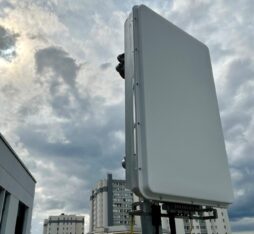
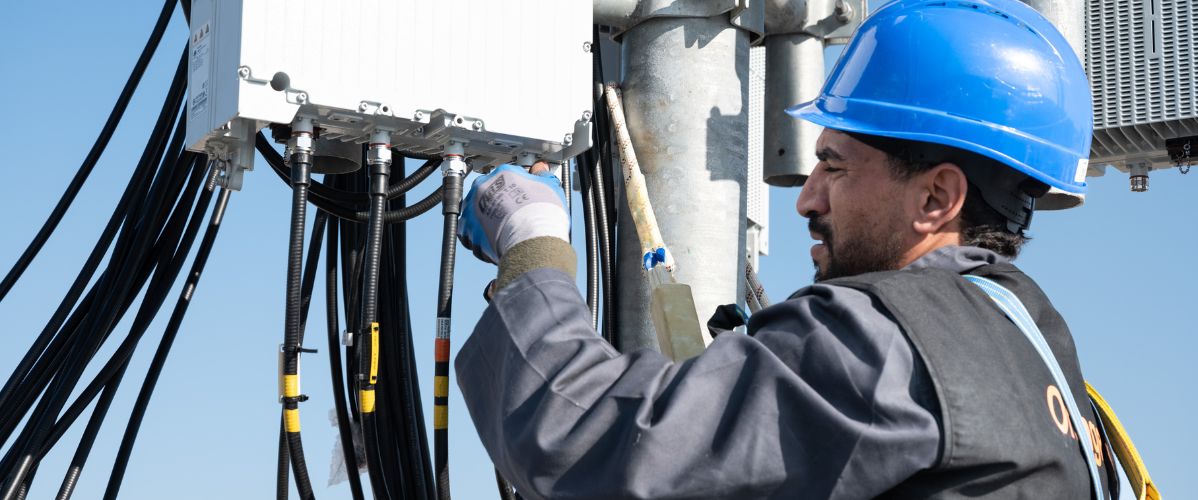
As for RAN equipment, key components (RRU, AAU, BBU) are the main sources of emissions associated with usage and lifecycle. The controls identified involve energy efficiency (energy savings feature, AI/ML), technological development (4G to 5G migration, more efficient network architecture), design and material optimization (weight reduction, recycled materials, design aimed at sustainability), optimizing the energy used throughout the manufacturing process (tier 1 and tier 2 provider) and reusing second-hand equipment.
The role of ITN partners and positioning of RAN suppliers
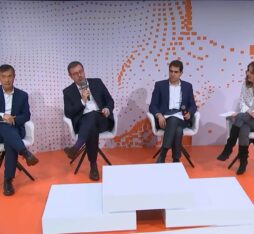
The work carried out in 2025 on the ITN component focused on RAN equipment with Nokia, Huawei and Ericsson. This work, involving bilateral discussions between Orange and these three providers, fostered a spirit of collaboration around reducing emissions and all parties actively contributed to this challenge.
A shared future: Orange’s more responsible and resilient ecosystem
By consolidating its responsible purchasing practices, Orange is strengthening the industrial ecosystem around decarbonization, supporting innovation among its partners and promoting a sustainable model for telecommunications. The commitment of our partners with these progress plans demonstrates a collective energy and shared desire to achieve Orange’s “Net Zero Carbon” goals while maintaining the performance and reliability of the Orange network.